> For the complete documentation index, see [llms.txt](https://kb.logicerp.com/llms.txt). Markdown versions of documentation pages are available by appending `.md` to page URLs; this page is available as [Markdown](https://kb.logicerp.com/logic-erp-learning-hub-tutorials-and-best-practices/setups/set-other-item-details/setup-composite-items.md).
# Setup Composite Items
**YouTube:** [How to Set Up Composite or Linked Items for Sales Bills?](https://www.youtube.com/watch?v=cknTgvWmFP0)
## How to Set Up Composite or Linked Items for Sales Bills?
In this tutorial, you will learn how to **create Composite (Linked) Items** and understand how they function during billing in Logic ERP.\
This feature is ideal for managing **combo products, bundled items, or kits**.
***
### Open Composite Item Setup
**To Begin:**
* Go to the **Setup Module** from the main menu
* Navigate to **Set Other Item Details Section**
* Open **Setup Composite Items**
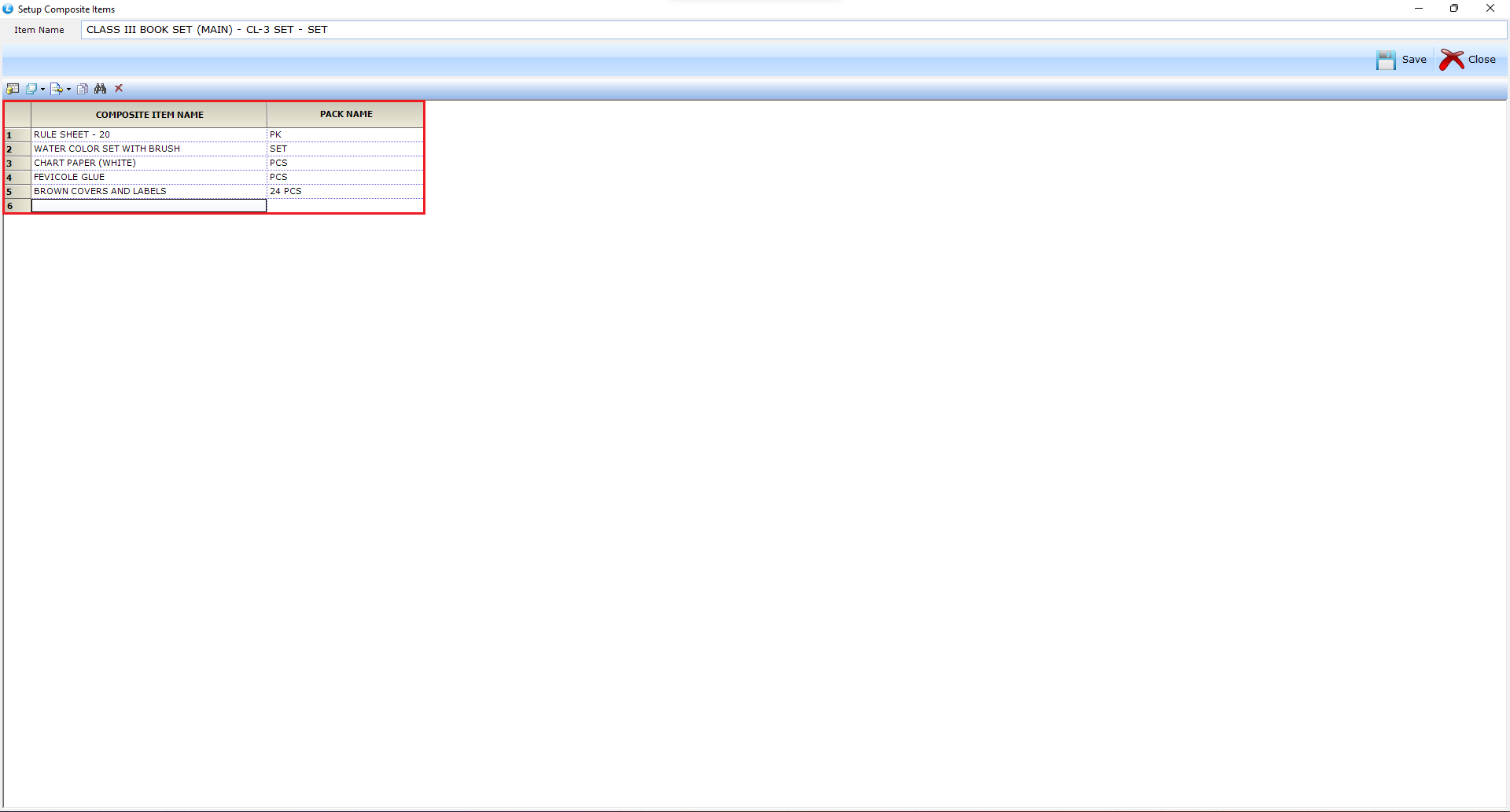
This window allows you to link multiple items with a main product.
***
### Define Main Item
* Select the **Main Item**
* Press the Spacebar to select the **Main Item**.
The main item acts as the **primary product** for which sub-items will be linked.
***
### Add Composite (Linked) Items
* In the grid below, define:
* **Sub Items (Linked Items)**
* These items will be automatically associated with the main item.
* Save Configuration
* Click **Save** to store the composite item setup
***
### Enable Composite Item Prompt in Billing
Before using this feature:
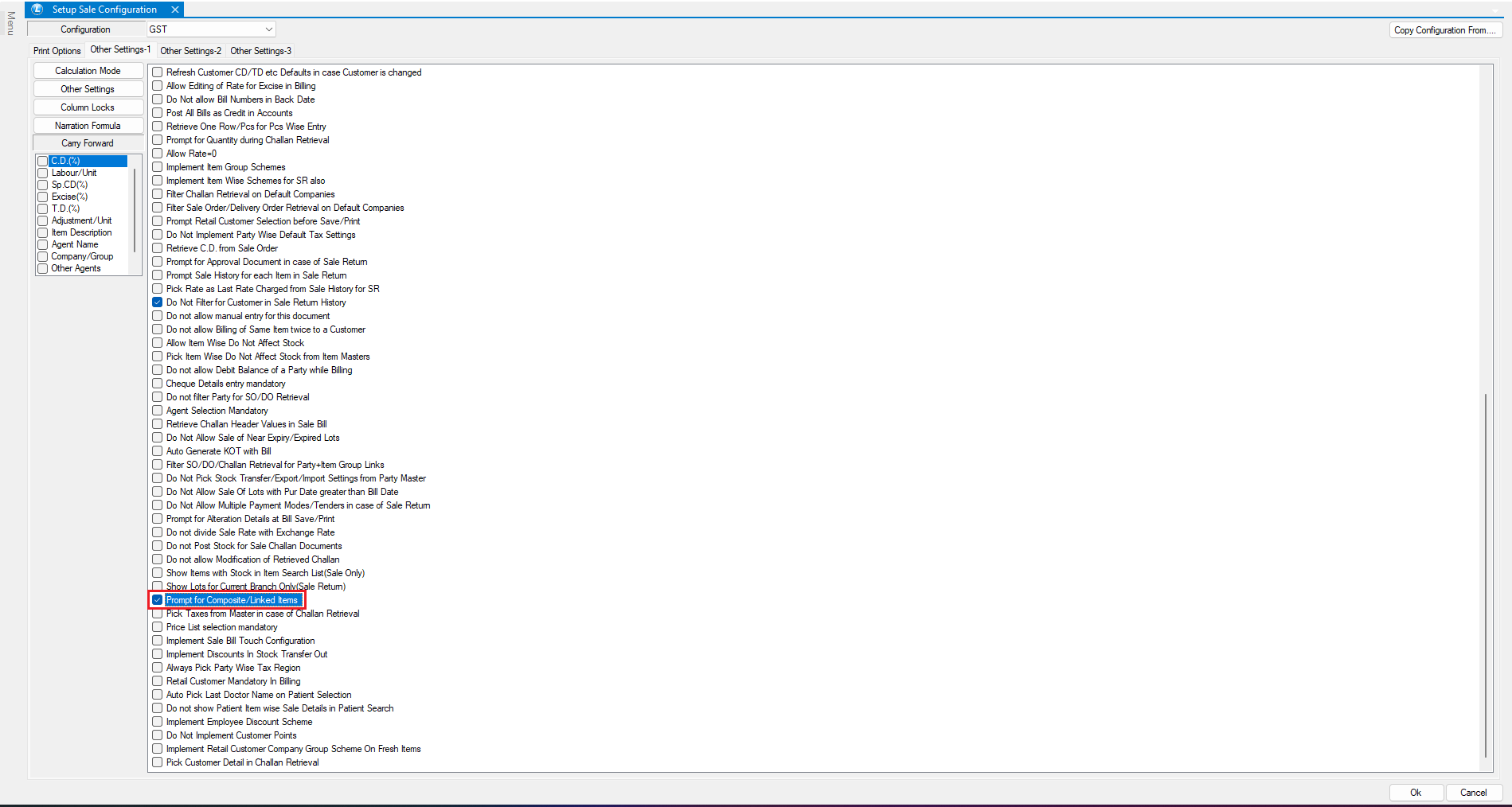
* Open **Sale Voucher Configuration**
* Select the relevant **Billing Series**
* Go to **Other Settings 1**
* Locate and enable the option labeled as:
> **Prompt for Composite/Linked Items**
* Save the configuration
This ensures the system prompts linked items during billing.
***
### Use Composite Items in Billing
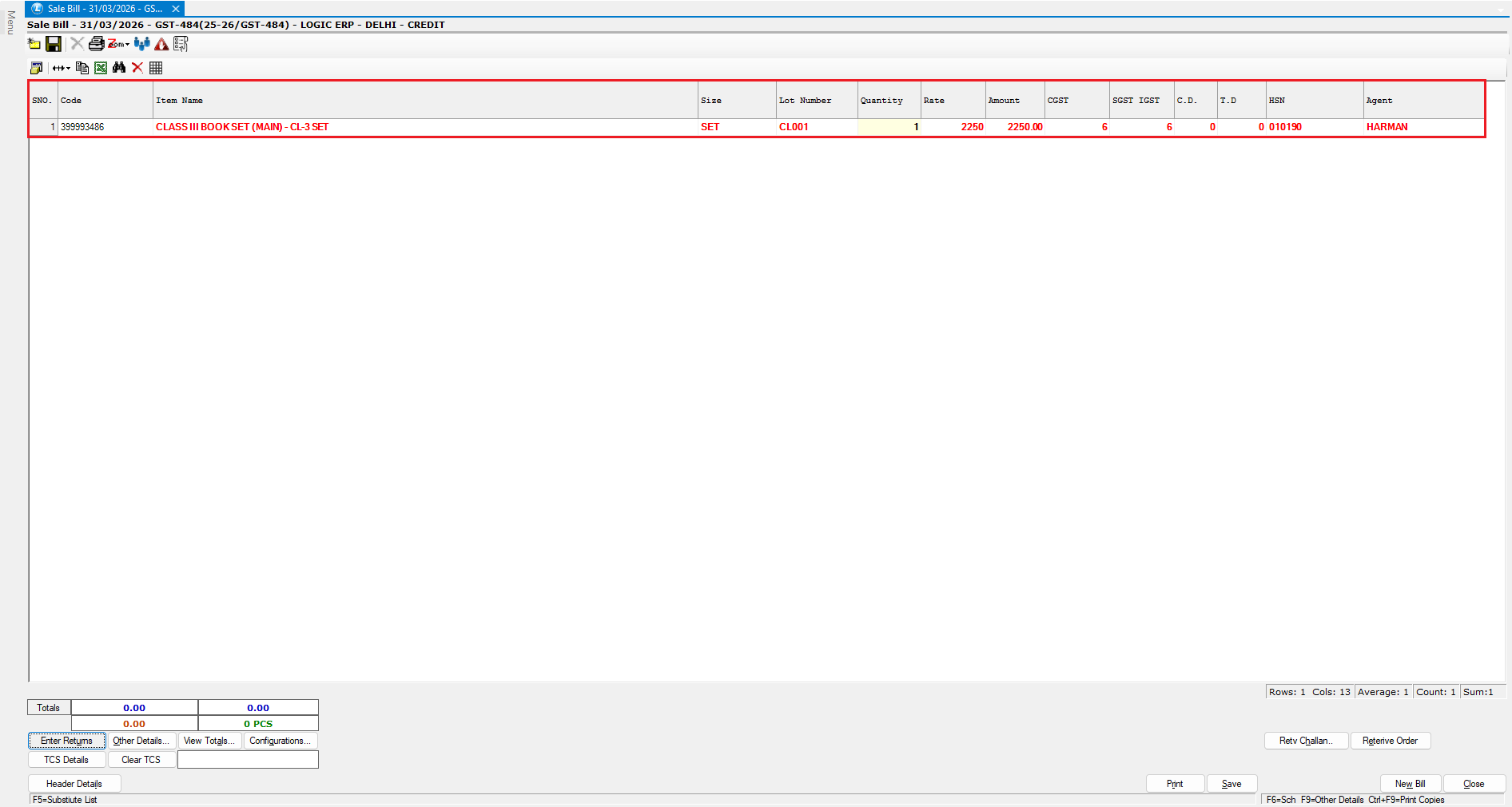
* Navigate to the **Sale Bill Window**
* Create a **New Transaction**
* Enter the **Main Item**
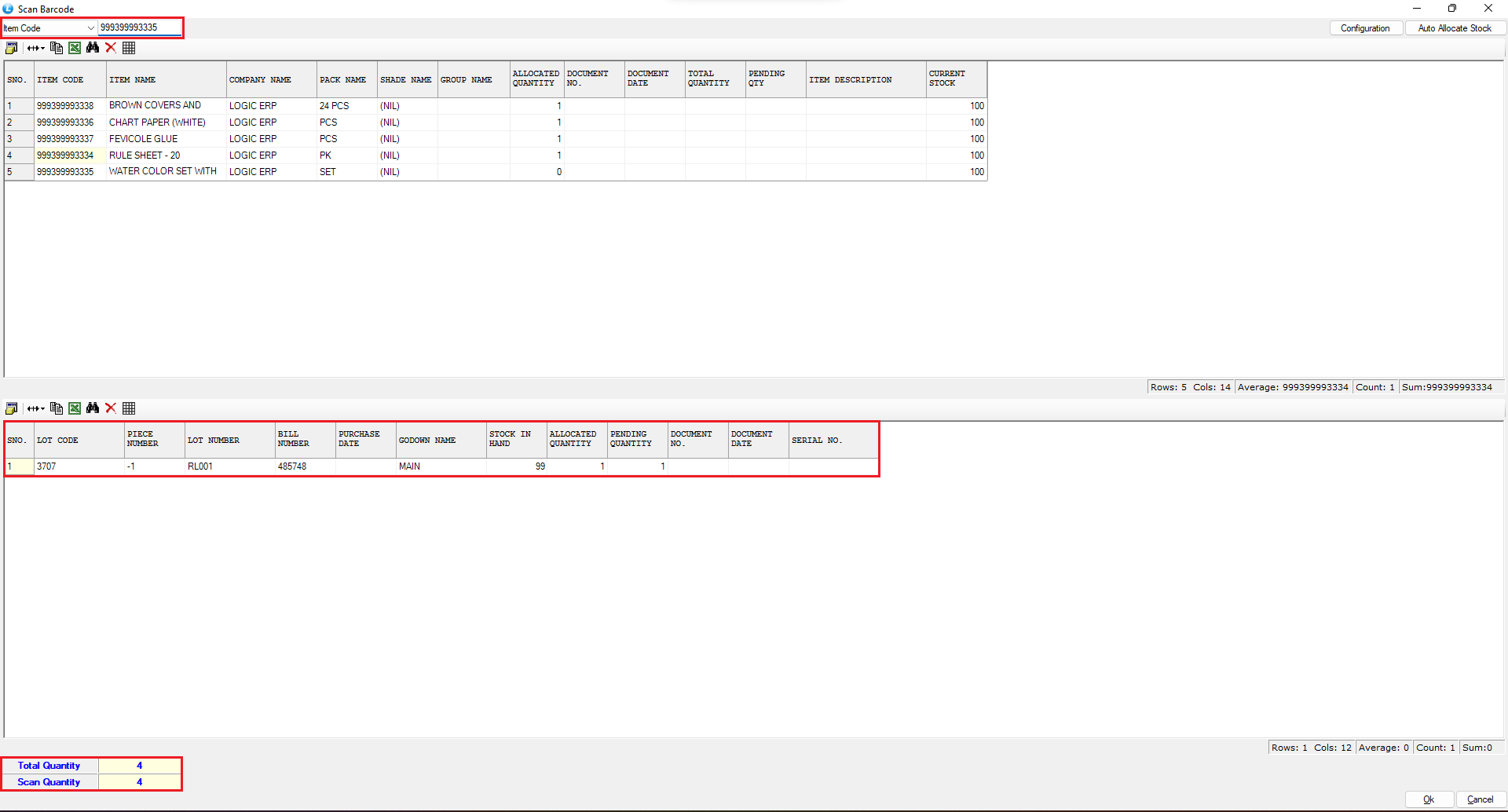
**Composite Items Prompt**
* As soon as you enter the main item:
* A **popup window** will appear
* Displays all **linked (composite) items**
**Scan & Add Items**
* Scan the **barcodes of required linked items**
* Quantity updates automatically as you scan
* Makes the process fast and accurate.
**Finalize Entry**
* Click **OK**
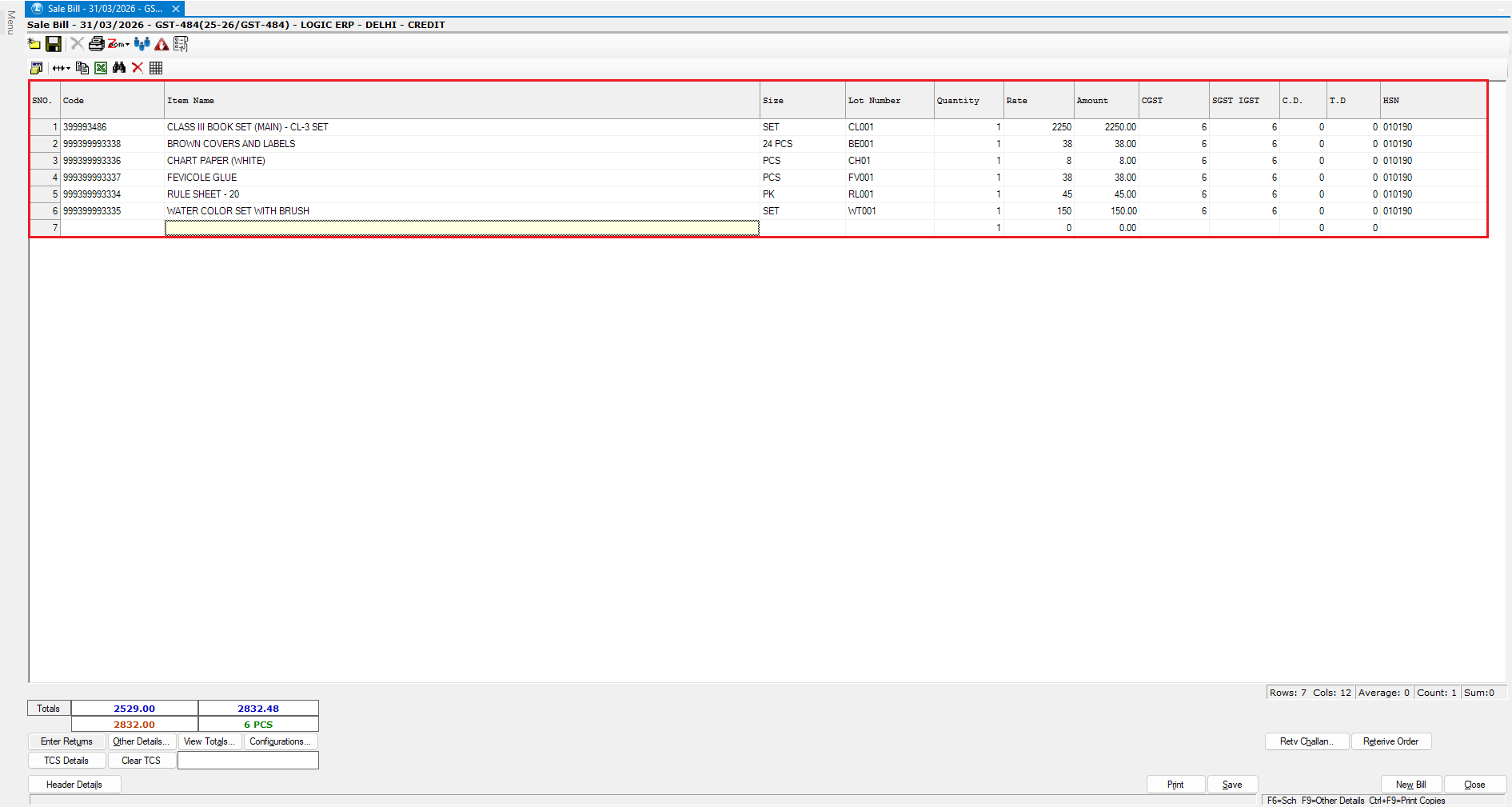
**Result:** All selected linked items are **Automatically Added** to the Billing Grid.
***
### How Composite Items Work
* One **Main Item** is linked with multiple **Sub Items**
* **During Billing:**
* System prompts linked items
* Allows selection via scanning
* Auto-adds them to the bill
Simplifies handling of bundled products.
***
## Key Benefits
* Ideal for combo packs & kits
* Faster billing with barcode scanning
* Reduces manual item entry
* Ensures accurate item linking
* Improves billing efficiency
***
### Final Outcome
You have successfully learned how to:
* Create **Composite Items**
* Link multiple items to a main product
* Use them efficiently during **billing**
Your billing process is now smarter, faster, and perfect for handling **bundled or combo products**.
---
# Agent Instructions
This documentation is published with GitBook. GitBook is the documentation platform designed so that both humans and AI agents can read, navigate, and reason over technical content effectively. Learn more at gitbook.com.
## Querying This Documentation
If you need additional information that is not directly available in this page, you can query the documentation dynamically by asking a question.
Perform an HTTP GET request on the current page URL with the `ask` query parameter, and the optional `goal` query parameter:
```
GET https://kb.logicerp.com/logic-erp-learning-hub-tutorials-and-best-practices/setups/set-other-item-details/setup-composite-items.md?ask=&goal=
```
`ask` is the immediate question: it should be specific, self-contained, and written in natural language.
`goal` is optional and describes the broader end goal you are ultimately trying to accomplish on behalf of the user. GitBook uses it to tailor the answer towards what is most useful for that goal.
The response will contain a direct answer to the question and relevant excerpts and sources from the documentation.
Use this mechanism when the answer is not explicitly present in the current page, you need clarification or additional context, or you want to retrieve related documentation sections.